The Tenant Claim Guide for Housing Disrepair Claims
Living in a rented home should offer comfort, security, and peace of mind. If your landlord continually refuses to make essential repairs, you don’t have to accept unsafe conditions.
This comprehensive tenant claim guide explains how the housing disrepair claim process works helping you understand your rights and the steps involved so you can take informed action.
What Is a Housing Disrepair Claim?
A housing disrepair claim allows tenants to seek redress when landlords fail to keep rental properties in a safe, habitable condition.
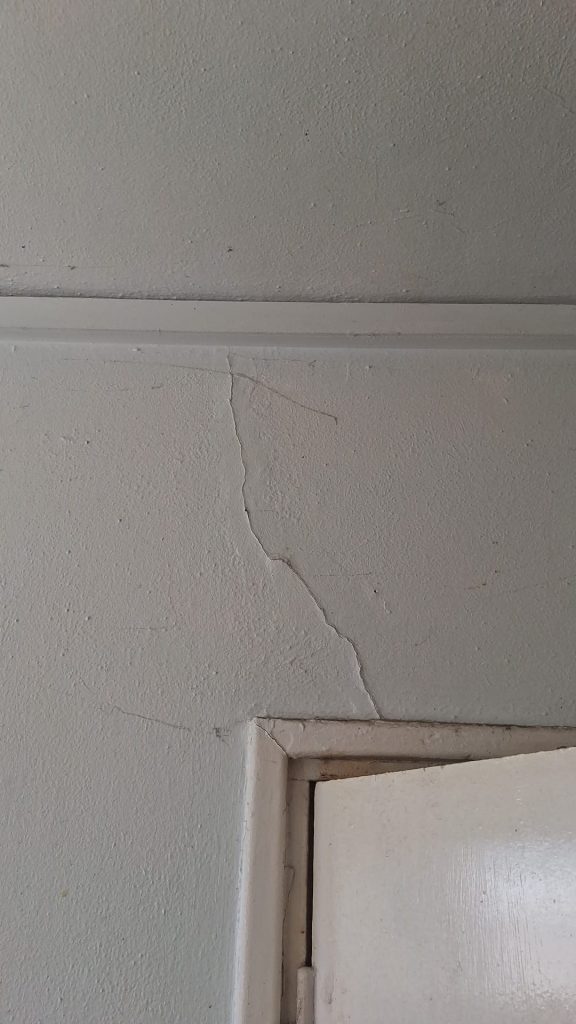
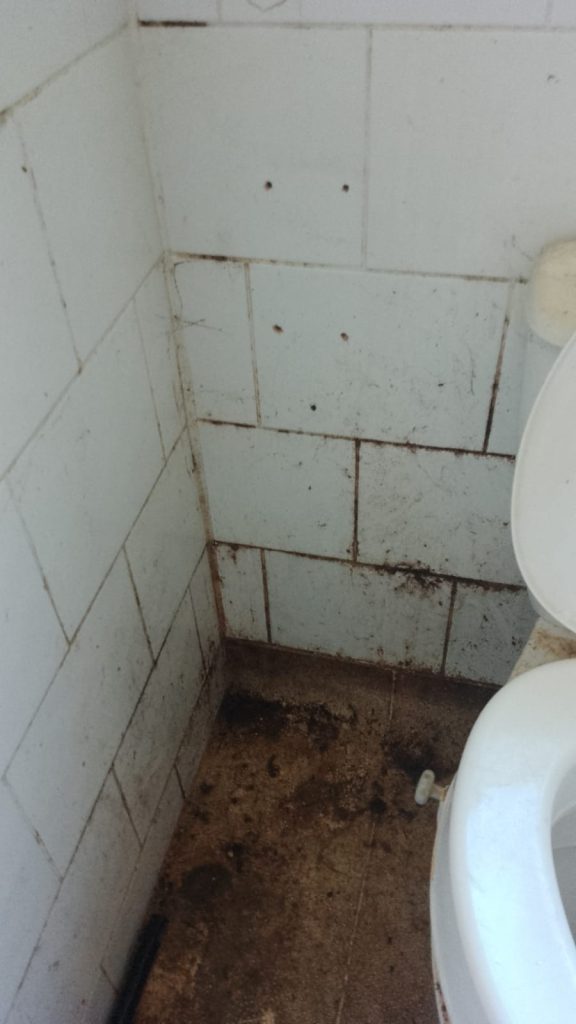
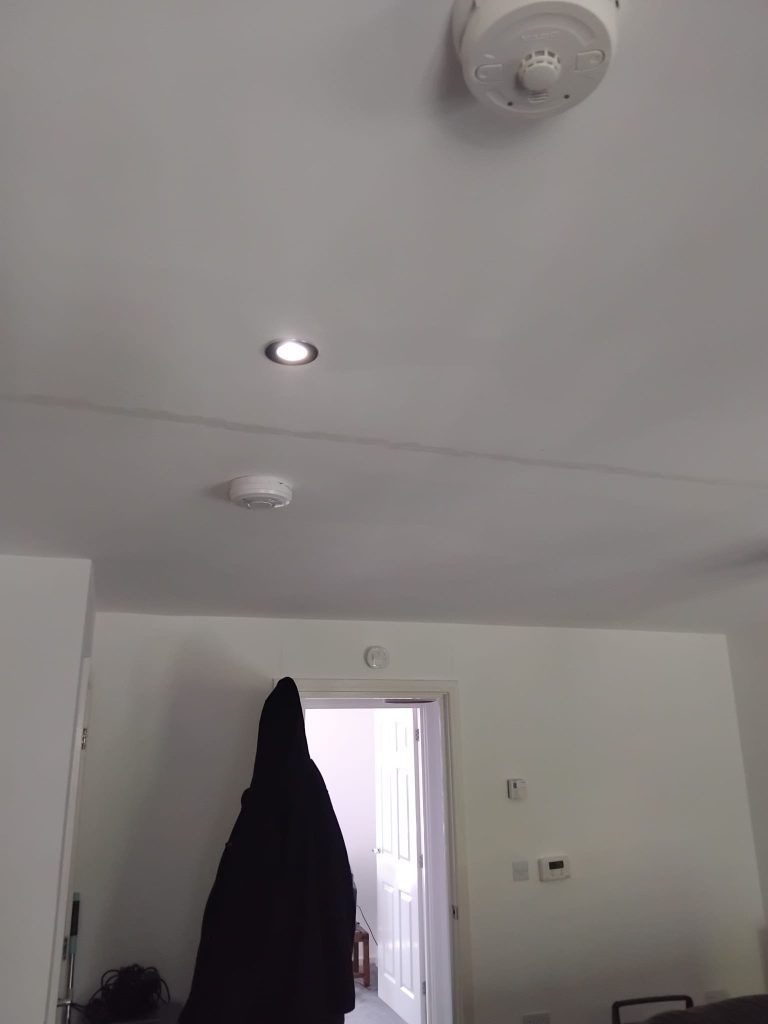
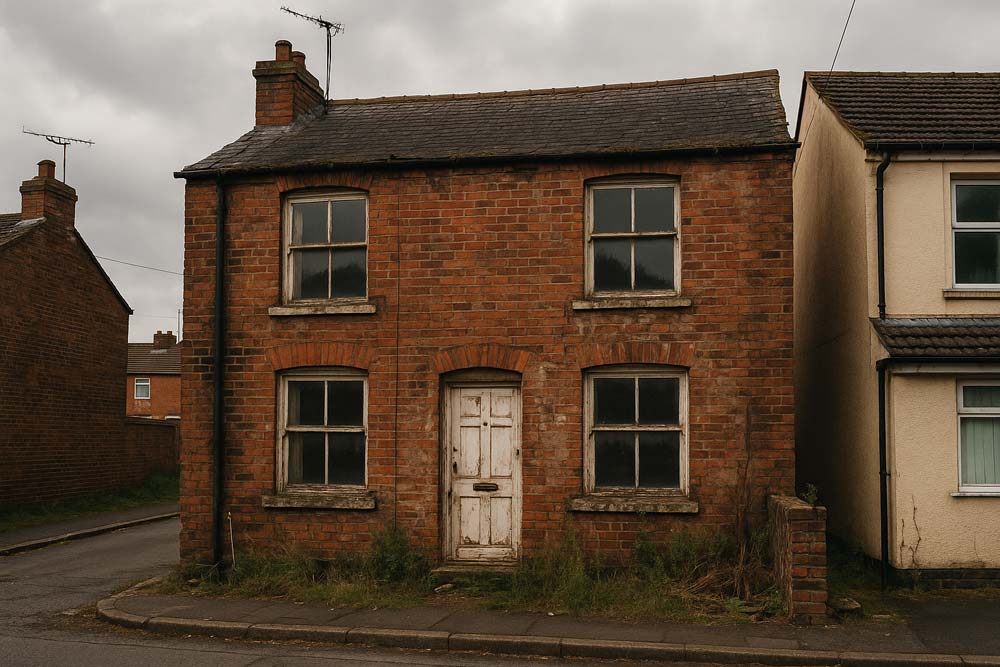
If your home has damp, mould, leaks, structural damage, or faulty heating and your landlord hasn’t resolved the issues after being notified you may be eligible for legal assistance to get repairs completed and, in some cases, pursue compensation.
Eligibility depends on your individual circumstances and legal assessment.
Common Issues Leading to Claims
- Damp and Mould can trigger respiratory illness and allergic reactions.
Legal duty: Landlords must address these issues under the Homes (Fitness for Human Habitation) Act 2018. - Leaking Roofs or Pipes can cause structural decay and mould.
Legal duty: Landlords must maintain roofs and plumbing under the Landlord and Tenant Act 1985. - Faulty Heating Systems lack of heating or hot water makes a home uninhabitable.
Legal duty: Must comply with the Housing Health and Safety Rating System (HHSRS). - Broken Windows or Doors affect security and energy efficiency.
Legal duty: Maintain weatherproof and secure structures under the Landlord and Tenant Act 1985. - Electrical Hazards exposed wiring or unsafe sockets are serious risks.
Legal duty: Covered by the Electrical Safety Standards in the Private Rented Sector (England) Regulations 2020. - Pest Infestations — landlords must ensure properties remain free from infestation and safe for occupation.
Step-by-Step Tenant Claim Guide
- Document the Disrepair – Take photos/videos, keep a diary, and save all correspondence.
- Notify the Landlord – Report issues in writing and retain copies.
- Allow Reasonable Time – Usually 14–28 days depending on severity.
- Seek Legal Advice – If no action is taken, consult a regulated solicitor experienced in housing disrepair.
How Disrepair Support Can Help
Based in Manchester, Disrepair Support helps social-housing tenants access expert legal advice about disrepair problems.
We can:
- Explain your rights and options clearly
- Help gather evidence and liaise with your landlord
- Connect you with a regulated solicitor who can assess your case
If you’ve reported damp, leaks, mould, or unsafe electrics and nothing has been done, contact us for a free eligibility check.
A solicitor will review your circumstances and confirm whether you may have grounds to pursue a claim.
Potential Compensation
Where a claim succeeds, compensation can reflect:
- Physical discomfort or health impact
- Damage to belongings
- Increased heating or repair-related costs
- Loss of use of parts of your home
The amount awarded varies by severity, duration, and evidence.
There is no guaranteed outcome, and every case is assessed individually.
Typical Timeframes
Simple cases may resolve within a few months; complex ones can take longer depending on evidence, landlord cooperation, and court availability.
Many claims settle in 3 to 9 months, but this is only a guide, not a promise.
Frequently Asked Questions
Is there a time limit?
Usually six years from when the disrepair began but act promptly.
Can I withhold rent?
It’s risky and can lead to eviction. Seek legal advice first.
Do you handle private-rental cases?
We currently focus on social-housing tenants (council or housing-association).
Important Information
Disrepair Support is a trading style of CFS Redundancy Payments Ltd, authorised and regulated by the Financial Conduct Authority (FRN 830857) for claims-management activity.
Eligibility and outcomes depend on individual circumstances and assessment by a regulated solicitor.
No-win-no-fee arrangements apply only where accepted by our partner solicitors, and a success fee may be deducted from any compensation awarded. Full details are provided before any agreement is signed.